At this point, you’ve seen the headlines: markets down, tariffs up, volatility spikes. But what does any of that actually mean for you? The truth is, changes in the market are felt by investors and non-investors alike. Let’s break down these headlines.
What is market volatility? Volatility is a measure of changing prices in the stock market. When the prices change quickly — going up and down in big swings — we say there’s high market volatility. Volatility — even changing volatility — is normal, but when it gets high, it can cause uncertainty. When people get uncertain, they start pulling their money out of the market, and we see stock prices fall. When this happens, investors lose money — but non-investors are affected too. You might hear about people losing money in their retirement accounts or see companies announcing layoffs to “cut costs.” While stock prices generally recover from dips, there’s a ripple effect across the economy.
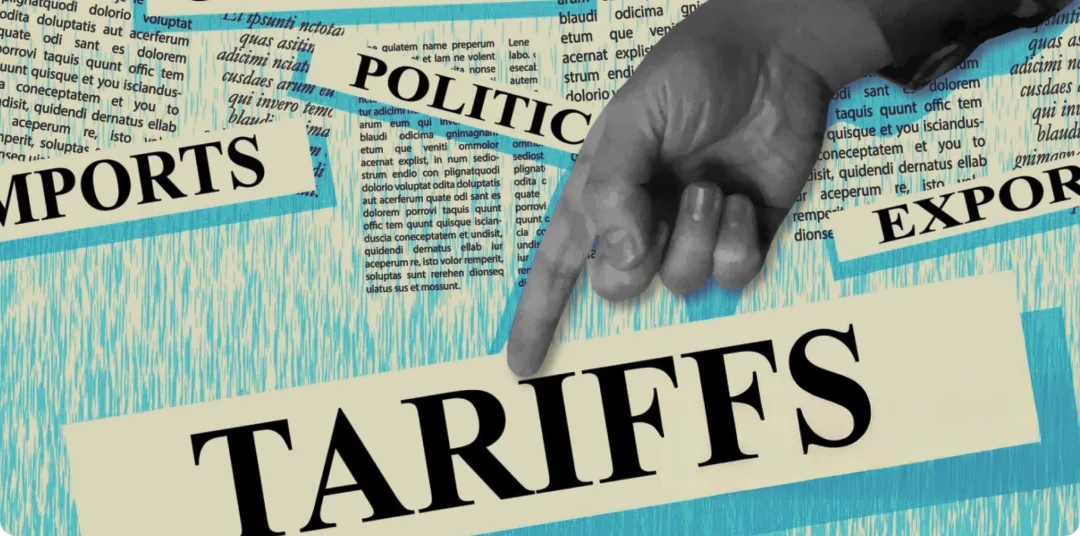
What are tariffs? Tariffs are a tax placed on imports from other countries. When tariffs are introduced or increased, the cost of those imports goes up — and so do prices for consumers. While tariffs can be used to drive domestic manufacturing when implemented strategically, recent tariff announcements have created massive uncertainty. When prices go up and businesses cannot predict the future expenses, their uncertainty contributes to market volatility.
In short, the market is changing and everyone can expect to be affected. The good news? There are steps you can take right now to strengthen your financial foundation, no matter what the headlines might say.
Start (or build up) your emergency fund. If the economy shifts and your income drops — whether due to a layoff, reduced hours, or higher living expenses — you don’t want to be caught without a safety net. That’s why having an emergency fund is crucial.
Aim to save enough to cover at least three to six months of essential expenses — things like rent or mortgage, utilities, groceries, and transportation. If that feels like a stretch, start smaller: $500 or $1,000 in a separate savings account can still give you breathing room when life throws you a curveball.
Don’t stop saving — stay the course. When the economy feels unstable, it’s natural to want to hit pause on your financial goals. But pulling back completely from saving can actually make it harder to get through tough times.
Even if you need to lower the amount, keep the habit alive. Consistency matters more than perfection. Set up automatic transfers to a savings account, even if it’s just $10 or $25 a week. It adds up — and more importantly, it keeps your future a priority.
If you’re investing, keep it simple and diversified. If you do have money in the stock market — whether in a retirement account like a 401(k) or an investment app — don’t panic and pull out just because things are rocky. Market dips are normal, and historically, the market has always bounced back over time.
The key is diversification. That just means your money is spread out across different types of investments (like stocks, bonds, and mutual funds), so one bad day doesn’t wipe you out. If you’re using an app or advisor, they likely do this for you automatically. Staying invested during a downturn can actually lead to bigger gains when things recover.
The economy will always have ups and downs. But you don’t have to be at its mercy. By building your emergency savings, staying consistent with your goals, and holding steady with your investments, you’ll put yourself in a stronger position to weather whatever comes next.
WorkMoney Tip: Volatile markets don’t have to mean volatile finances. Stackwell helps you invest in a confident, consistent way — with a platform designed to grow your money and build financial strength over time.*
* Disclaimer - Stackwell is an SEC-registered investment adviser. Investing involves risk and your investments may lose value. Stackwell does not guarantee investment performance or future results. Educational materials and financial knowledge add confidence, but they do not replace personalized financial advice. For questions about Stackwell’s products and services, please visit stackwellcapital.com, review their FAQs, or contact them at support@stackwellcapital.com.
View WorkMoney’s full terms of service here.
Was this information helpful?
About the Author

Grace Wong of Stackwell
Director of Business and Strategy at Stackwell
At Stackwell — an innovative investment platform expanding access to financial opportunity — Grace and her team work to make investing and financial wellness more accessible through products and programs designed for real life. With a background in financial services and a passion for equity, Grace brings deep expertise in helping individuals build lasting financial foundations.