What Receipts Should I Keep for Personal Taxes?
Learn what receipts you need to keep for personal taxes so you can maximize your return when filing
Published on
Keeping track of receipts and associated paperwork throughout the year can help ensure you receive all the tax breaks you may be eligible for and report your income accurately if you’re working, studying, or own a home.
Income Documents
For income documentation, the IRS recommends keeping records of all the money you earned in the tax year you’re filing. For example, in 2024, this can include the following 2023 documents:
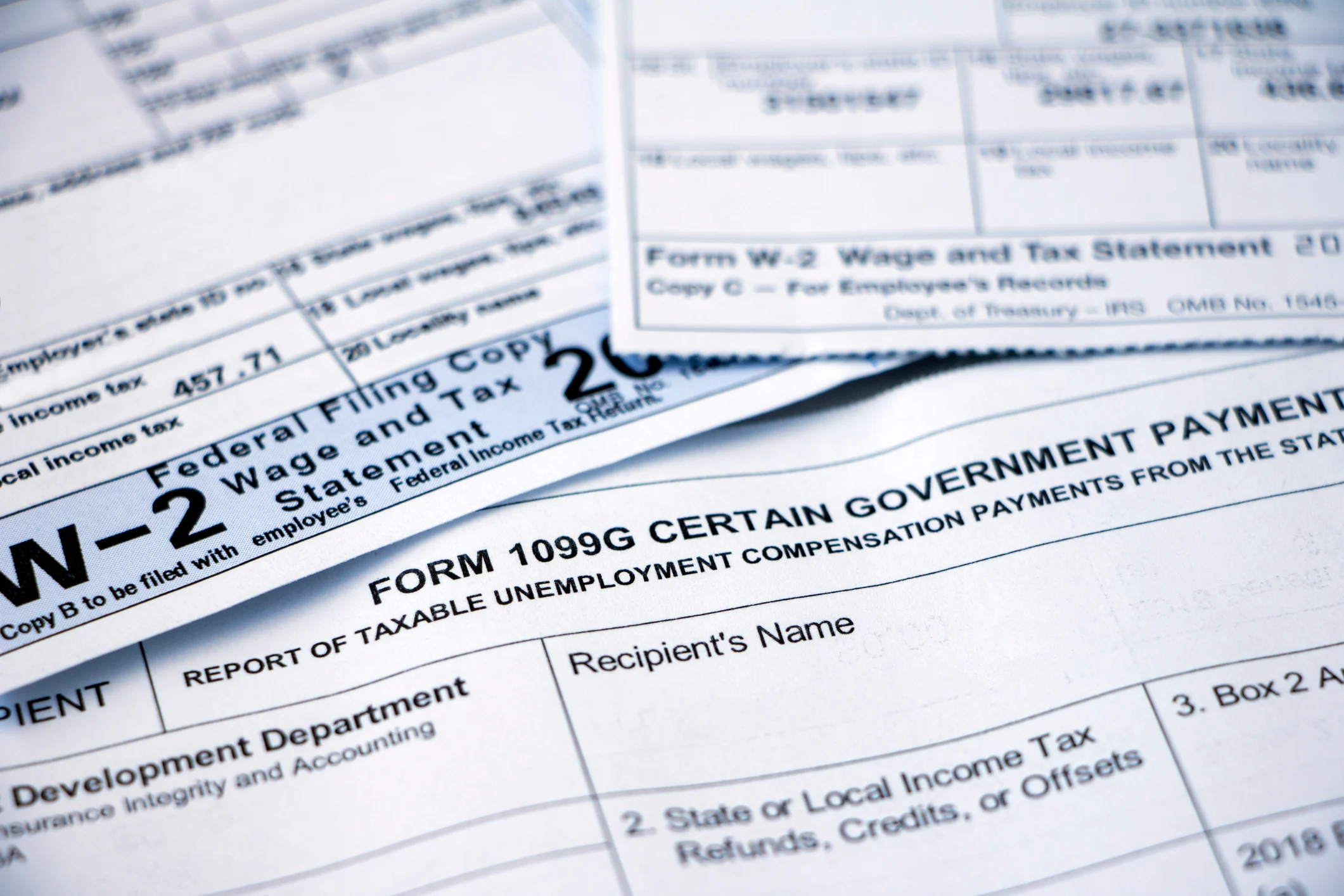
W-2 forms from employers detailing wages and taxes withheld
1099 forms detailing income from freelance or contract work, interest and dividends
Social security benefits you receive, found on Form SSA-1099
Any documents related to other sources of income, such as rental income, alimony or lottery winnings
Medical and Dental Expenses
The IRS recommends keeping your receipts and records for payments made for doctor appointments, hospital visits and dental treatments. Remember to include the costs for prescriptions, medical devices, and any treatments you’ve paid for yourself that aren’t covered by insurance. Also, note down any travel expenses related to getting medical care like mileage and transportation costs.
You may qualify for a medical expense deduction if they add up to more than 7.5% of your adjusted gross income.
Property Taxes and Mortgage Interest Payments
Mortgage statements show how much interest you’ve paid over the year, and property tax receipts show the taxes paid on your real estate.
You can potentially deduct up to $10,000 on state and local tax deductions ($5,000 if married filing separately), reducing your taxable income to save you money.
Educational Expenses and Student Loan Interest Payments
Make sure to save receipts and forms related to educational expenses and student loan payments, including:
Form 1098-T from educational institutions, which outlines tuition and related expenses.
Student loan interest statements (Form 1098-E), which show the interest paid over the year. This interest is often tax-deductible and can reduce your taxable income.
Receipts for educational supplies like textbooks and technology.
Childcare Costs
The IRS recommends retaining all receipts and documents related to childcare expenses. This includes payments to daycare centers, babysitters and summer camps. These records are important for eligible parents or guardians claiming the Child and Dependent Care Credit to potentially reduce what you owe in taxes.
You can get a statement of childcare expenses from licensed daycare providers at year-end, showing your payments. If a friend or family member provides your childcare, keeping your records of these payments is a good idea. You can use spreadsheet payment apps like PayPal or Venmo, or even write them down on paper receipts with the dates and amounts.
Retirement Account Contributions
If you have a retirement account, compile records of contributions to your IRAs or 401(k)s. Visit the IRS site to see eligibility requirements for claiming deductions for traditional IRAs, which may be available depending on your income level.
Additionally, you might be eligible for the Saver’s Credit, which offers a tax credit ranging from 10% to 50% of your contributions to specific retirement accounts.
Home Office Expenses
If you use a portion of your home regularly and exclusively for business purposes, the IRS recommends keeping detailed records of home office expenses. This includes receipts for:
Rent
Utilities
Property insurance
Repairs
Office supplies
The IRS allows you to deduct a portion of these expenses based on the size of your home office compared to your entire home. Maintaining these documents will help you maximize this deduction for higher savings on your return.
Residential Clean Energy Credit
For homeowners making energy-efficient upgrades hold onto product receipts, warranties, rebates and other packaging information. The IRS offers tax credits for specific improvements like solar panels, solar water heaters and high-efficiency heating and cooling systems.
Eligible homeowners can claim a credit for a percentage of the cost of these qualifying improvements. This credit directly reduces the tax you owe rather than taxable income. Ensure you have detailed records of the improvements to show they meet the required criteria for eligibility.
Save Money Year-Round With WorkMoney
Filing your taxes doesn’t have to be stressful. With the right documents, you can fill out the forms quicker and take advantage of all available credits or deductions for a bigger return.